Trigger Point Dry Needling -Introductory Level
9-11th October 2026 DUBLIN
Introductory Level Course Registration
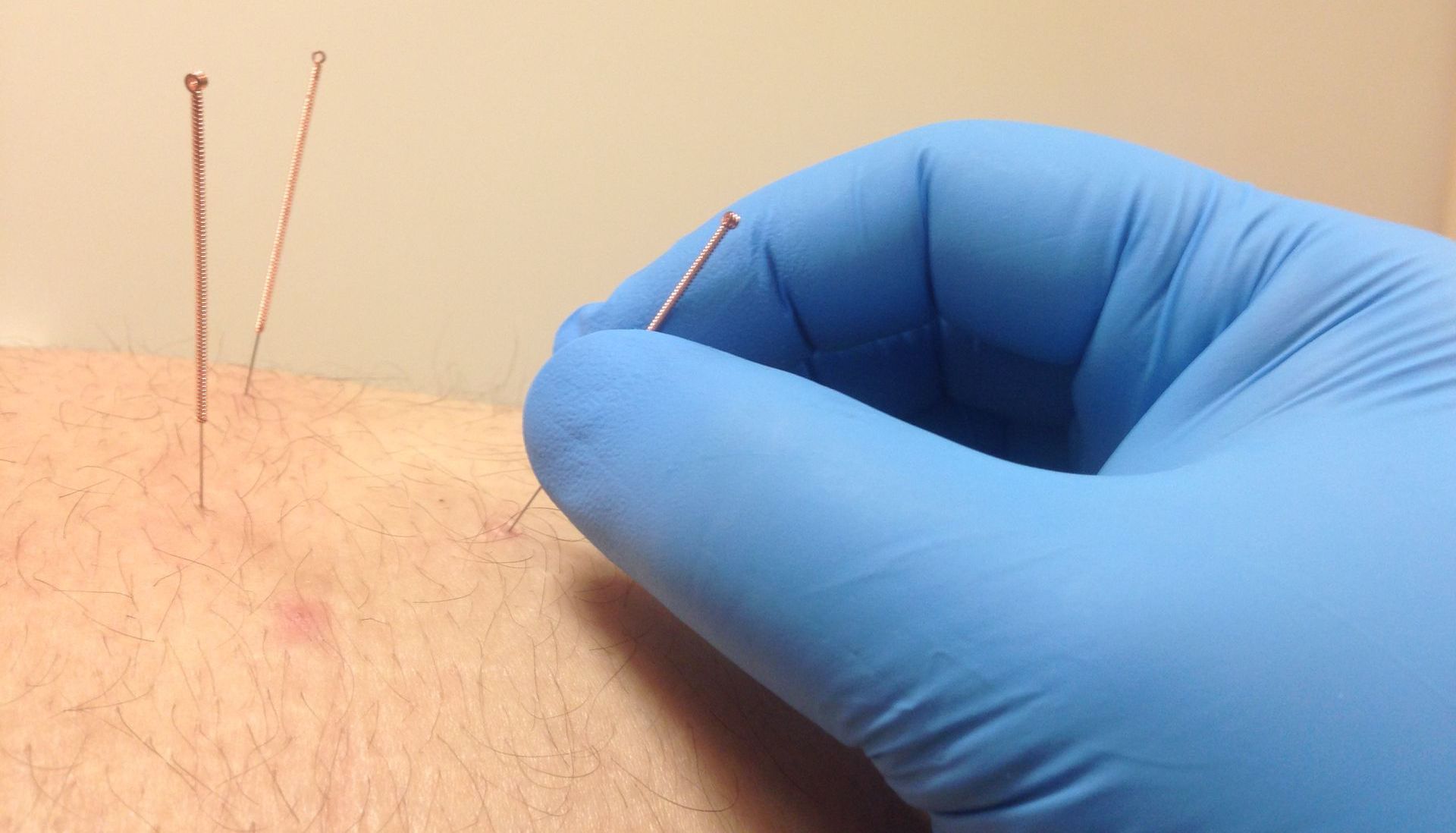
Introductory Level Course in Trigger Point Dry Needling
CPD Hours: 24Hrs
This course aims to introduce clinicians to the principles and practice of Trigger Point Dry Needling while developing essential practical skills and clinical reasoning for safe and effective application in clinical practice.
The curriculum provides a comprehensive foundation in trigger point dry needling, integrating theoretical knowledge with hands-on clinical application. Participants are guided through the underlying physiology of trigger points, relevant surface and regional anatomy, and evidence-based needling techniques. Emphasis is placed on patient safety, clinical decision-making, and integration of dry needling into a holistic therapeutic approach.
The course is supported by real clinical case studies, enabling participants to immediately apply learned techniques in practice upon course completion.
Curriculum Content
The course covers the following key areas:
- Physiology of trigger points and their referral patterns
- Indications and contraindications for dry needling
- General practice guidelines and safety considerations
- Trigger point palpation and identification skills
- Clinical surface anatomy relevant to dry needling
- Various dry needling techniques
- Patient selection, education, and informed consent
- Pre-needling preparation, post-needling care, and management of adverse events
- Integration of dry needling into a comprehensive therapeutic approach
Participants are also provided with a brief but focused overview of regional anatomy to enhance accuracy and confidence in needling techniques.
Muscles Covered
Trigger point dry needling techniques are taught for the following muscle groups:
- Hip & Pelvis: Gluteus Maximus, Medius, Minimus, Piriformis, Short External Rotators, Tensor Fasciae Latae (TFL), Hip Adductors
- Thigh & Leg: Quadriceps, Hamstrings, Calf Muscles
- Shoulder & Upper Limb: Upper, Middle, and Lower Trapezius, Levator Scapulae, Rhomboids, Supraspinatus, Infraspinatus, Subscapularis, Teres Major and Minor, Latissimus Dorsi
- Spine & Trunk: Quadratus Lumborum, Cervical, Thoracic, and Lumbar Paraspinal Muscles
Declaration: This course meets the minimum standard as outlined in ISCP guidelines on Minimal Standards for Dry Needling Education & Training.
Formal Assessment: Participants must successfully complete a formal theory and practical assessment at the end of the course prior to issuance of CPD certificate.
LEARNING OUTCOME:
Upon successful completion of this course, participants should be able to:
- Understand pathophysiology of myofascial trigger points.
- Recognise patient pain and symptom presentations with a predominant myofascial component.
- Accurately identify and localise myofascial trigger points through clinical assessment.
- Demonstrate improved surface anatomy knowledge and advanced palpation skills.
- Apply a thorough understanding of the indications, contraindications, and safety considerations related to dry needling.
- Demonstrate sound clinical reasoning in patient selection and treatment planning
- Utilise sound clinical reasoning to determine when and how dry needling techniques should be applied.
- Perform superficial and deep dry needling techniques safely and effectively.
- Manage post-needling care and potential adverse events
- Integrate trigger point dry needling into daily clinical practice as an effective therapeutic intervention
COURSE PREREQUISITES:
1. No prior experience in needling or trigger point therapy course is required.
2. Participant MUST be fully qualified physiotherapist and carry appropriate malpractice insurance.
COURSE FEE: €590. Course fee may vary depending on the venue.